
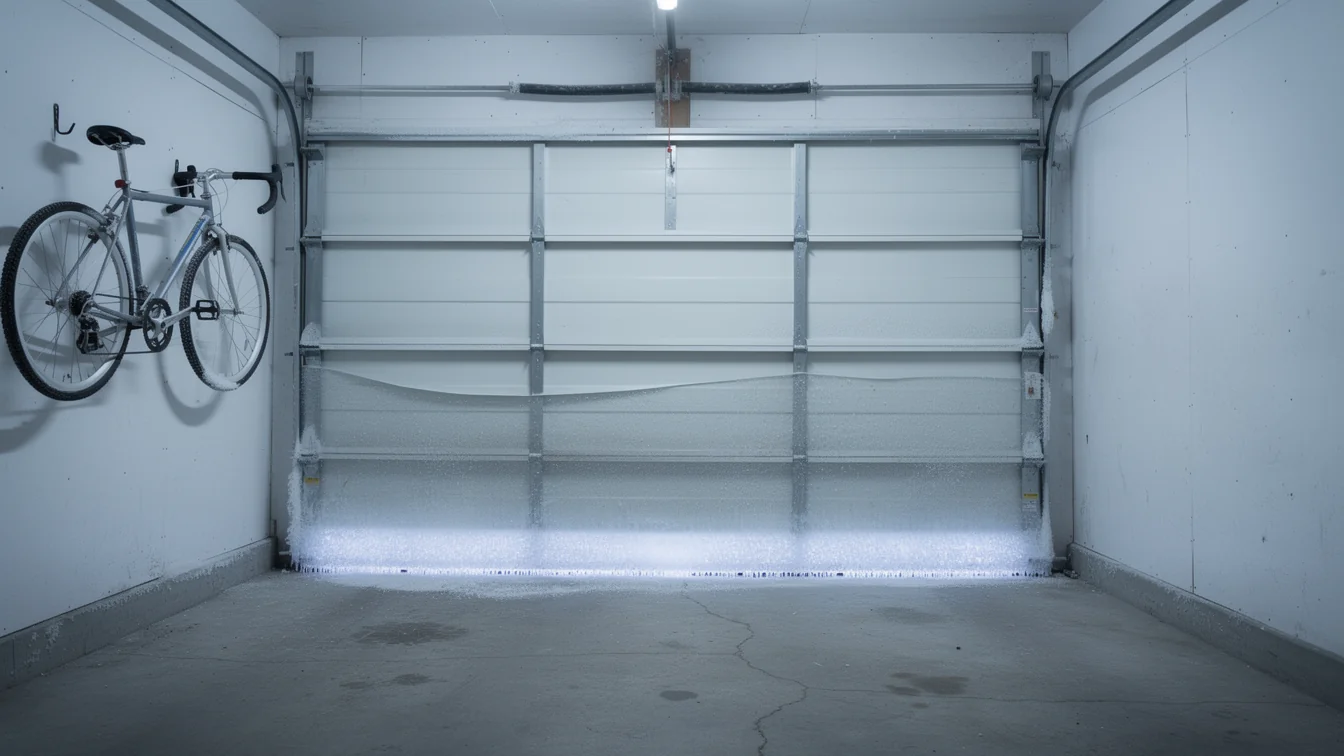
Garage Doors Built for Ogden's Cold, Not Against It
Ogden sits in a severe-cold climate band with housing built mostly 1971-2009.
Read moreOgden's severe cold hits torsion springs on 1971-2009 housing stock hard. Here's what the weather does, what to check, and what not to ignore.
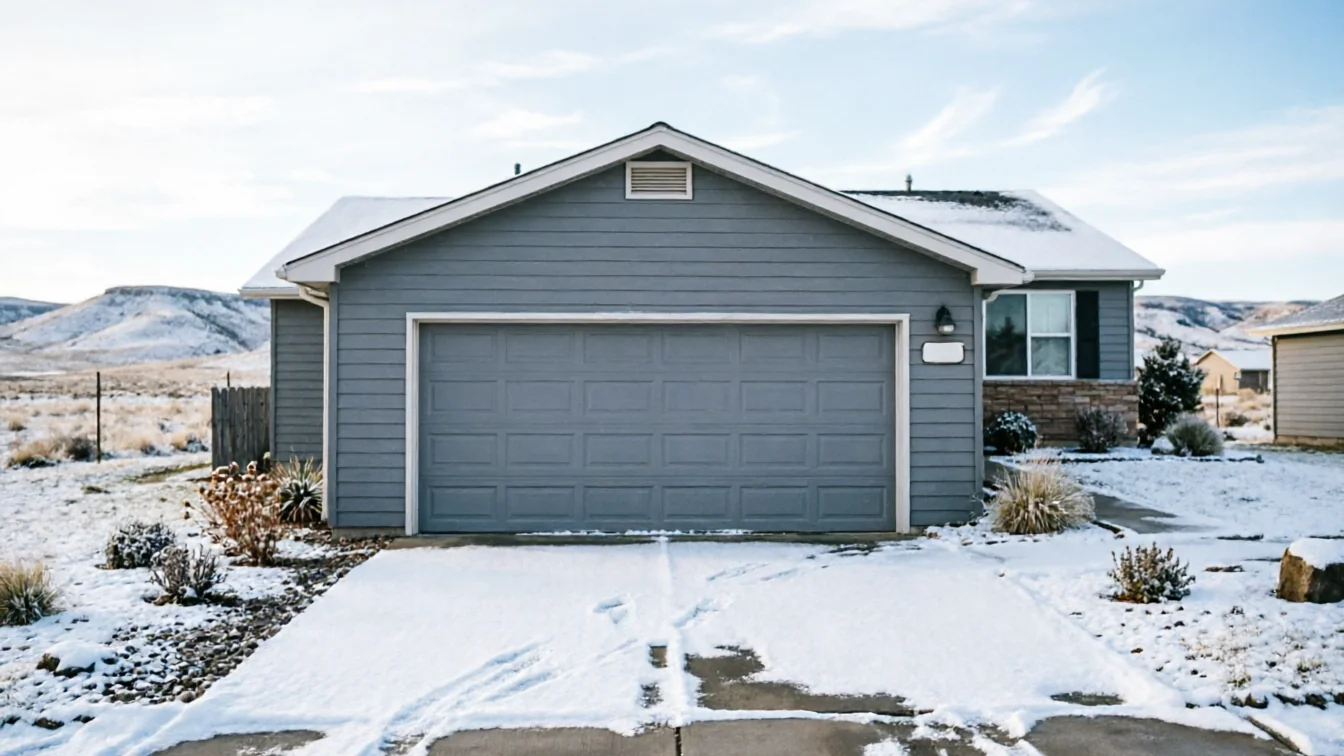
Local detail
Ogden sits in a climate band classed as severe cold, and that matters more for your garage door than almost anything else on the house. Steel contracts when it's cold. A torsion spring that's been winding and unwinding for twenty years loses a little flexibility every winter, and the sharp temperature swings here - mild afternoons, hard overnight freezes - stress the metal in a way that steady cold doesn't. Most of the housing stock in this service area went up between 1971 and 2009, with the bulk from the 1980s and 90s across the 29 communities we cover, from South Ogden and Harrisville out to Layton and Brigham City. That means a lot of doors are running original or first-replacement springs that were sized for a door twenty or thirty years lighter in wear. When a spring goes in cold weather, it usually goes on the coldest morning of the week, right when you're trying to leave for work. The spring doesn't care that it's inconvenient. It cares that the steel got brittle and the door got heavy, and something had to give.
The area
You can look at a few things before you call anyone. Stand the door at mid-travel, disconnect the opener, and see if it holds roughly level on its own - if it drops hard, the spring has already lost tension and is probably close to done. Look at the spring itself for a visible gap in the coil, which means it's already broken even if the door still moves on the opener. Check the cables on either side of the drum for fraying, especially near the bottom bracket, since cold makes cable sheathing crack before it makes the cable itself snap. Rollers are worth a glance too - plastic rollers get stiff and flat-sided in cold weather and start thumping in the track instead of rolling smooth. None of this tells you exactly how many cycles are left in the spring, but it tells you whether you're looking at a slow fade or something that could let go this week. If the door feels noticeably heavier than it did in October, that's not your imagination.
What we find
The real issue isn't that cold breaks springs outright - it's that cold exposes a spring that was already near the end of its life. A torsion spring is rated for a number of cycles, and houses built in the 1980s and 90s are now old enough that a lot of original springs are past or close to that count. Add the embrittlement that comes with a severe cold climate and you get failures clustering in the coldest stretch of winter rather than spread evenly through the year. This is also when openers get blamed for spring problems - a motor straining against a dying spring sounds like a bad opener, but replacing the opener won't fix a door that's lifting against uneven tension. The honest limitation here: I can't tell you from a description alone whether your spring has a week left or a season left. Spring life depends on cycle count, door weight, and how it's been maintained, and none of that shows up from the driveway.
How we work
If your door is still moving smooth and quiet, you don't need to act today. Springs don't usually fail without some warning - a door that's gotten heavier, a motor that strains more than it used to, a faint popping sound as the coil flexes. Waiting through one more cold snap to watch for those signs is reasonable. What's not reasonable is ignoring a visible gap in the coil or a cable that's already fraying, because a spring under tension that fails suddenly can snap hard enough to hurt someone standing near it. If your house falls in that 1971-2009 window that covers most of this area, and you haven't had the spring looked at since you moved in, cold weather is when that gap between maintenance and failure shows up fastest. Doing nothing is a fine choice for a door that's behaving. It's a bad choice for one that's already telling you something's wrong.
Questions
Cold makes steel more brittle, and Ogden's climate band is classed as severe cold, so the swings between freeze and thaw stress a spring that's already near the end of its cycle life. The spring was likely close to failing anyway - cold just picks the moment.
It depends on cycle count and door weight more than calendar age, but a lot of homes in this area were built between 1971 and 2009, many in the 1980s-90s, so original springs in those houses are old enough that cold-weather failure becomes more common.
No. An opener straining against a weak spring looks like an opener problem but isn't one. Replacing the motor without addressing spring tension just means a new opener fighting the same losing battle.
Yes, if the coil has a visible gap or the cable near it is fraying. A spring under tension can release suddenly. If the door still moves smoothly with no visible damage, it's reasonable to keep watching it rather than treat it as an emergency.
Recommendation
More garage door guides for Ogden homeowners.
Ogden sits in a severe-cold climate band with housing built mostly 1971-2009.
Read more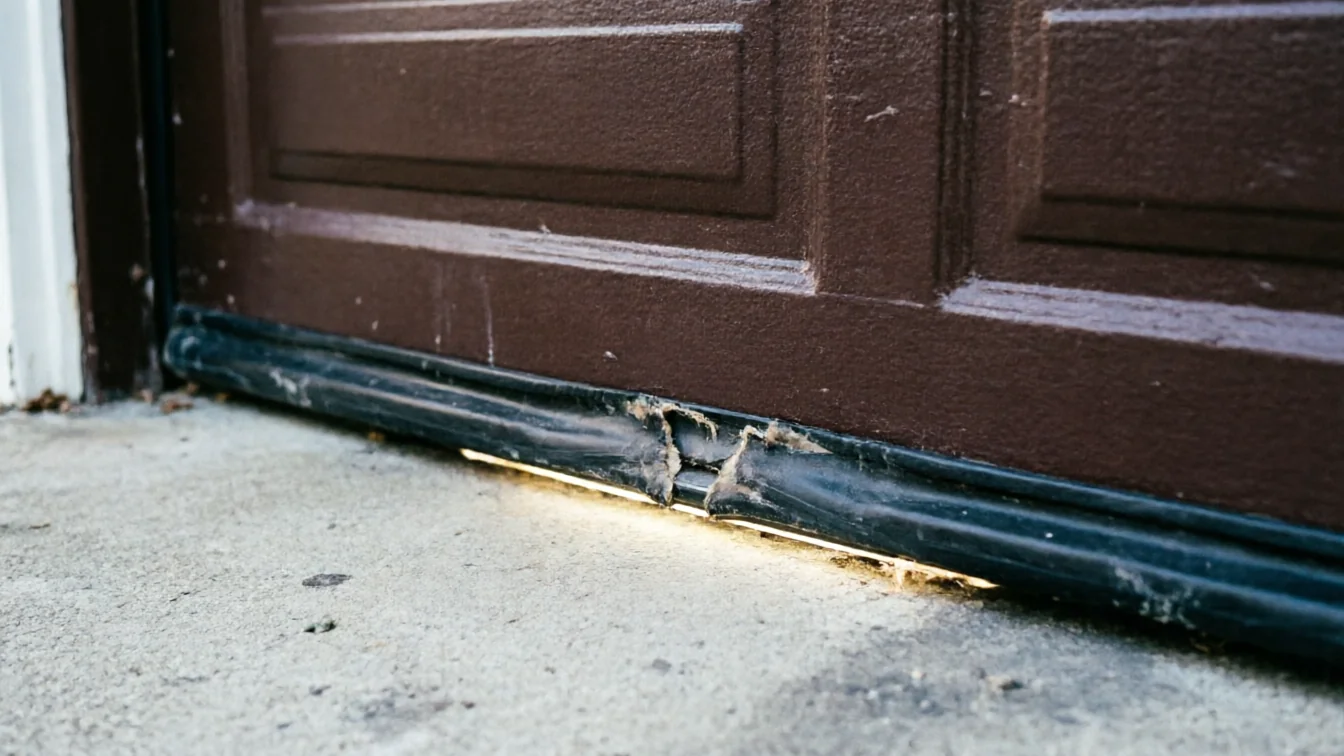
Ogden homes built 1971-2009 face a COLD severe climate that wears out garage door weather seals and draughts fast - what to check before calling for repair.
Read more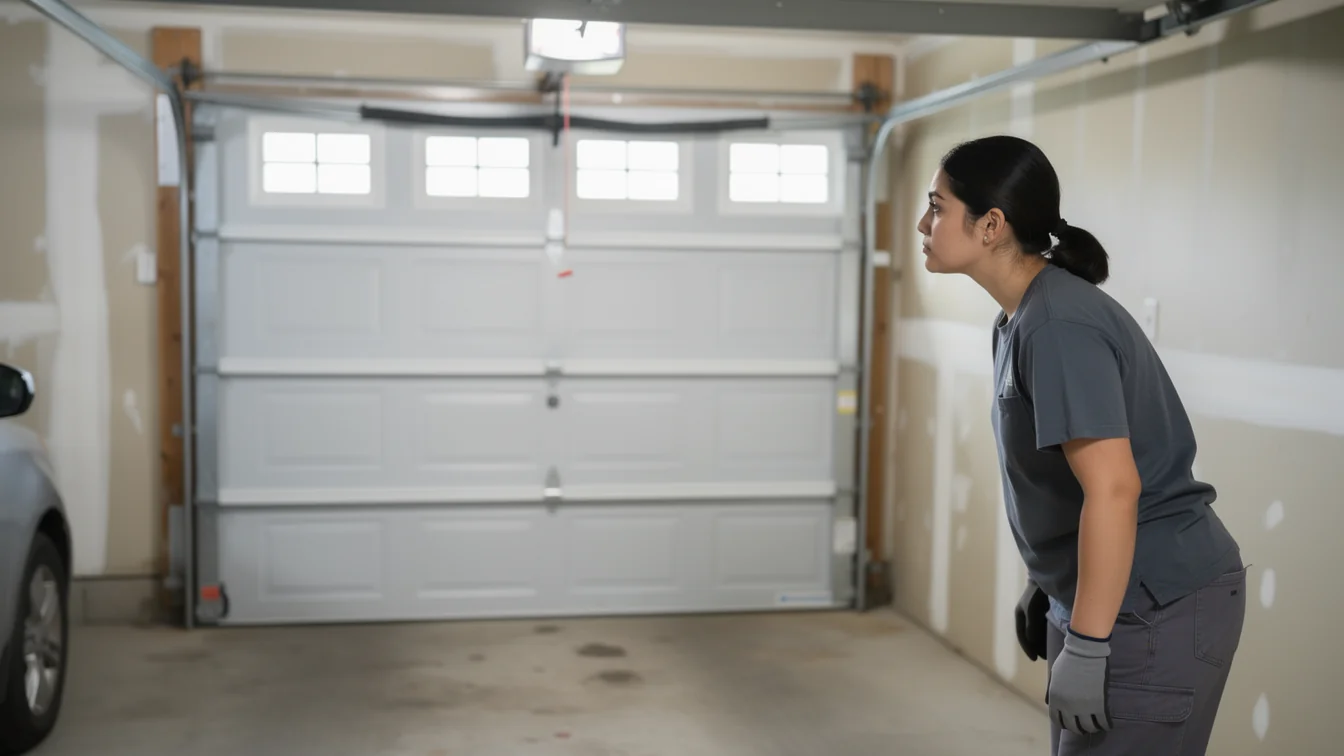
Ogden homes built mostly in the 1980s and 90s, paired with severe cold winters, produce specific door noises.
Read moreReady when you are
Ogden Garage Door Pros repairs and installs garage doors, springs and openers in Ogden, UT and the surrounding area.