
What Your Garage Door Is Trying to Tell You
Ogden homes built mostly in the 1980s and 90s, paired with severe cold winters, produce specific door noises.
Read moreOgden homes built mostly between 1971 and 2009 face harsh winters that stress garage doors fast. Here's what to know before buying a replacement in Ogden, UT.
Local detail
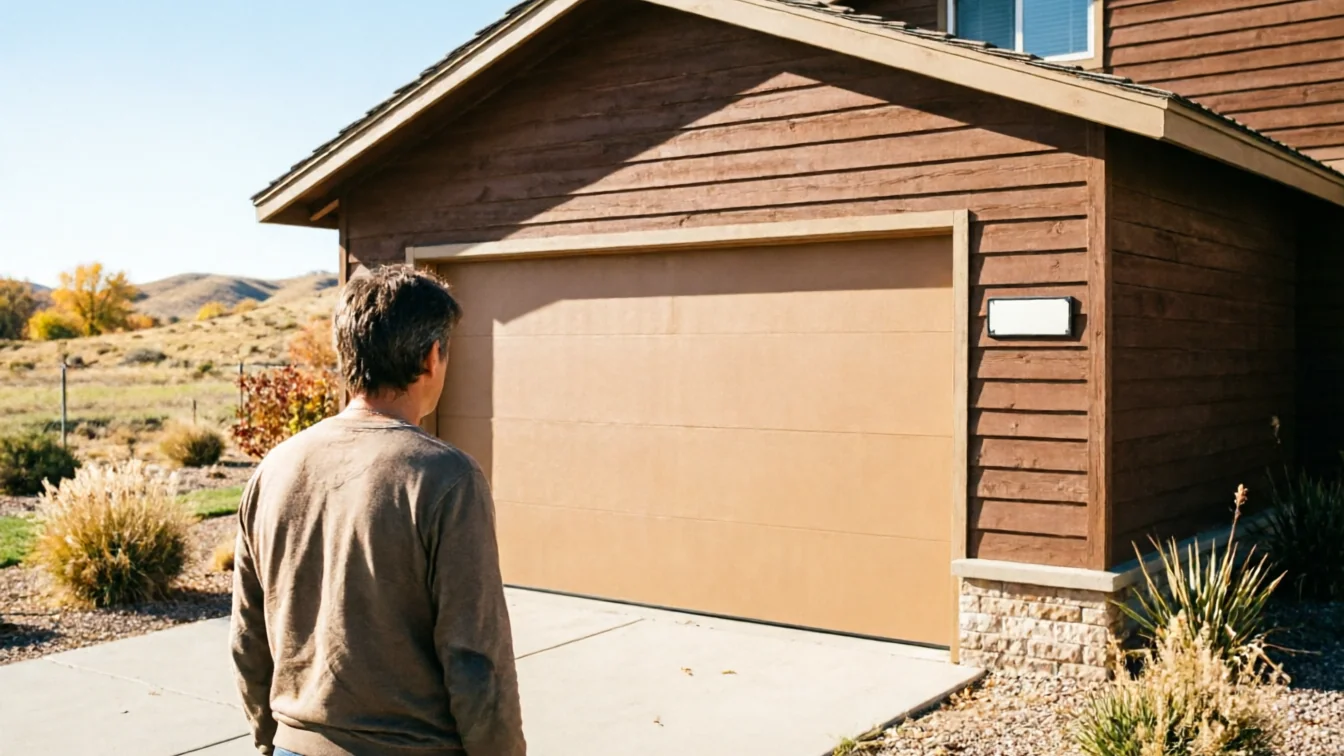
Ogden sits in a cold, severe climate band, and that matters more than most people think when a garage door starts failing. Most of the housing stock in this service area went up between 1971 and 2009, with a lot of it clustering around 1999 - a period when builders used steel doors with foam-injected cores that were fine for the codes of the day but are thin by current cold-climate standards. Steel contracts in deep cold, and a door built in the 80s or 90s with a non-reinforced bottom seal will gap at the corners by midwinter. That gap doesn't just let in cold air - it lets in moisture that freezes on the track and rollers, which is what turns a quiet door into one that grinds or binds every time the temperature drops below freezing. If your door was installed anywhere near when the house itself was built, assume the weatherstripping and the insulation rating are original, because in a lot of these homes they are.
The area
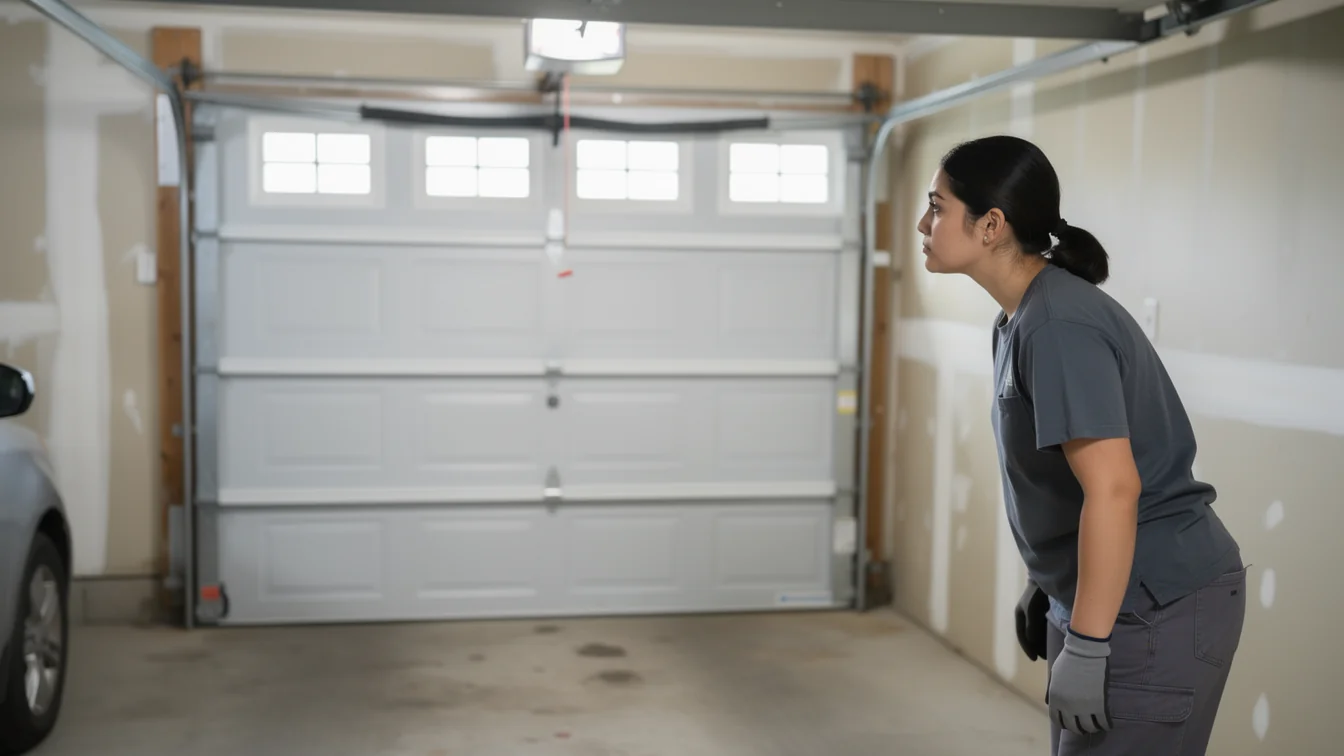
Walk out to the door on a cold morning and look at the bottom corners first - if you can see daylight or feel a draft where the panel meets the frame, the seal has given up. Run a hand along the track where it meets the garage floor; a ring of frost or rust flaking means water has been collecting there through freeze-thaw cycles, which is common in houses from the 1971-2009 build era once the original seal shrinks. Open the door by hand with the opener disconnected and feel for resistance or a dead spot halfway up - that's usually a spring losing tension, not a cosmetic problem. One thing I won't tell you to do yourself: don't try to gauge torsion spring tension by eye or touch it under load. That's a job for someone who does it daily, because a spring that looks fine can still be close to failing, and guessing wrong here is how people get hurt.
What we find
The houses in this area were mostly built in one long stretch, 1971 through 2009, with the bulk landing in the 80s and 90s across the 29 named communities in the service area. That means a huge number of original or first-replacement doors are hitting the same age ceiling at roughly the same time, and a lot of owners are deciding whether to patch an aging door or replace it outright. With median household income around $111,875 in the area, most owners here aren't choosing the cheapest door on the lot, but they also aren't automatically going top-tier - they want something built for the cold that won't need another replacement in ten years. The honest problem is that a lot of doors from this era were adequate for the climate standards when they were installed but don't meet what a cold-severe winter here actually demands now, especially around insulation value and seal design.
How we work
Waiting is sometimes the right call. If your door is sealing well, opening evenly, and the springs show no visible stretching or gaps between coils, there's no reason to replace it just because the house is a few decades old. Across the roughly 92,254 owner-occupied houses in this area, plenty still run original hardware without trouble. But cold-severe winters don't forgive marginal parts - a cable that's fraying in October is a cable that snaps in January when the metal has contracted and the extra load hits a door that's already struggling. If you're seeing any of the signs from the checklist above, waiting through another freeze cycle usually turns a repair into a full replacement. You can find more on what we handle at /.
Questions
It depends more on condition than age, but a lot of houses in this area have doors from the 1971-2009 build window, and once seals, springs, and insulation are all original and worn together, repairing one part often just exposes the next failure. If two or more major components are original and failing, replacement usually costs less over time than repeated repairs.
Ogden's cold-severe climate band means a door with poor insulation and worn seals will let in enough cold air to affect an attached garage's temperature and anything stored near it. If your current door is original to a house built in the 80s or 90s, its insulation rating is likely below what's reasonable for this climate now.
You can spot some warning signs - visible gaps between coils, rust, or the door feeling heavier when you lift it by hand with the opener disconnected. But judging exact tension or remaining lifespan isn't something to do yourself; a spring under load that looks fine can still fail without more warning than that.
Recommendation
More garage door guides for Ogden homeowners.
Ogden homes built mostly in the 1980s and 90s, paired with severe cold winters, produce specific door noises.
Read more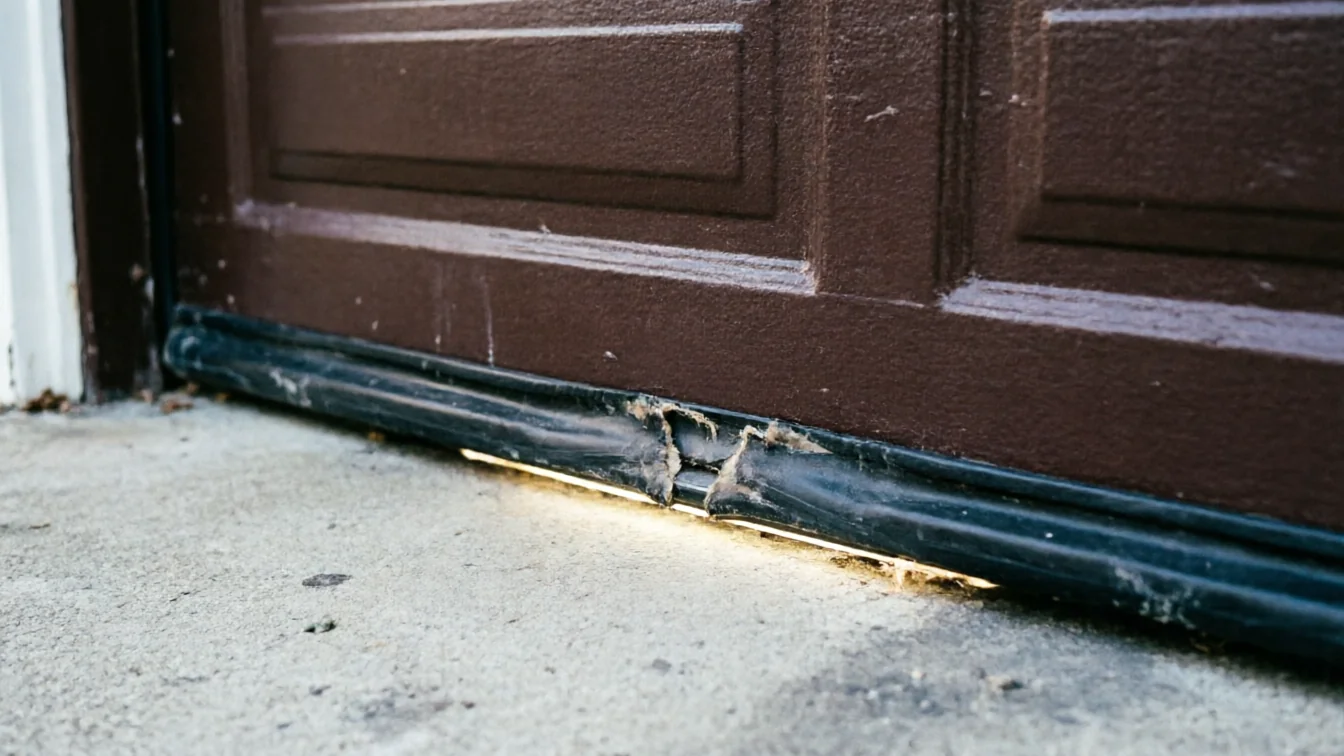
Ogden homes built 1971-2009 face a COLD severe climate that wears out garage door weather seals and draughts fast - what to check before calling for repair.
Read more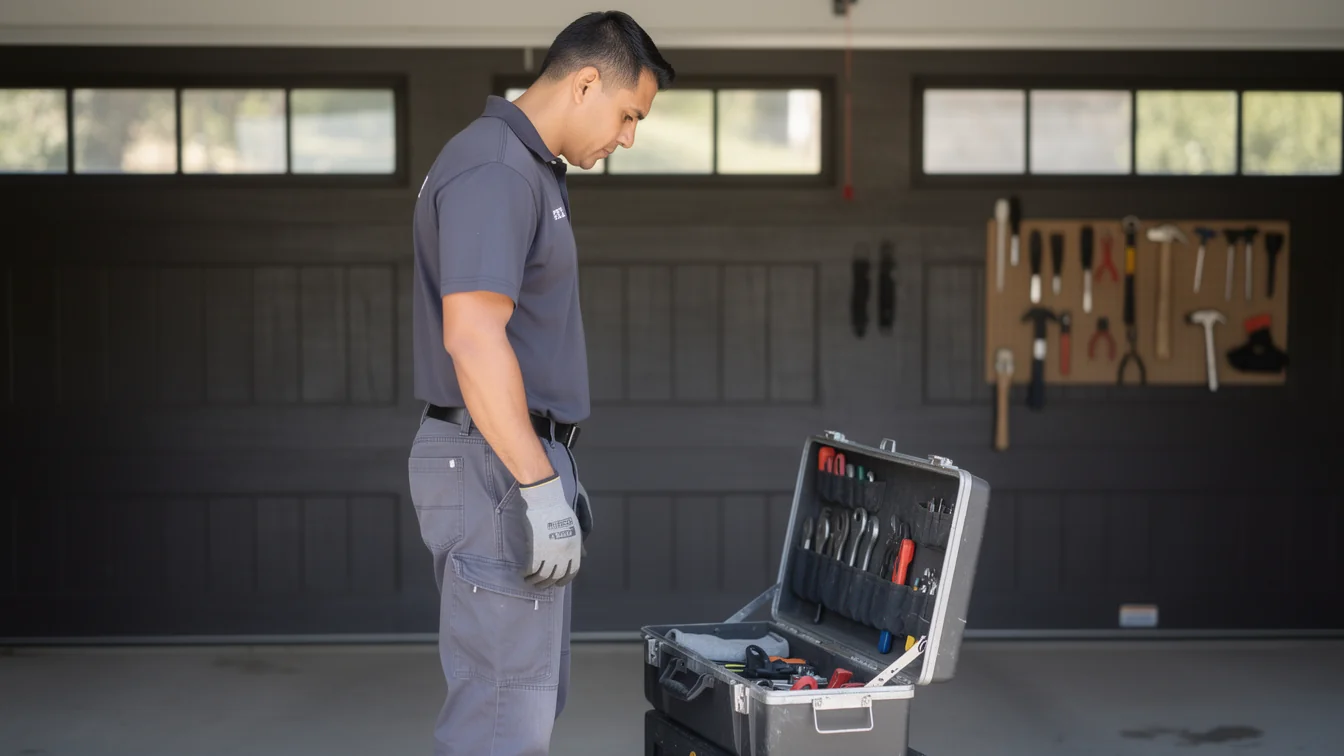
In Ogden, homes built 1971-2009 meet severe cold winters that strain original hardware.
Read moreReady when you are
Ogden Garage Door Pros repairs and installs garage doors, springs and openers in Ogden, UT and the surrounding area.