
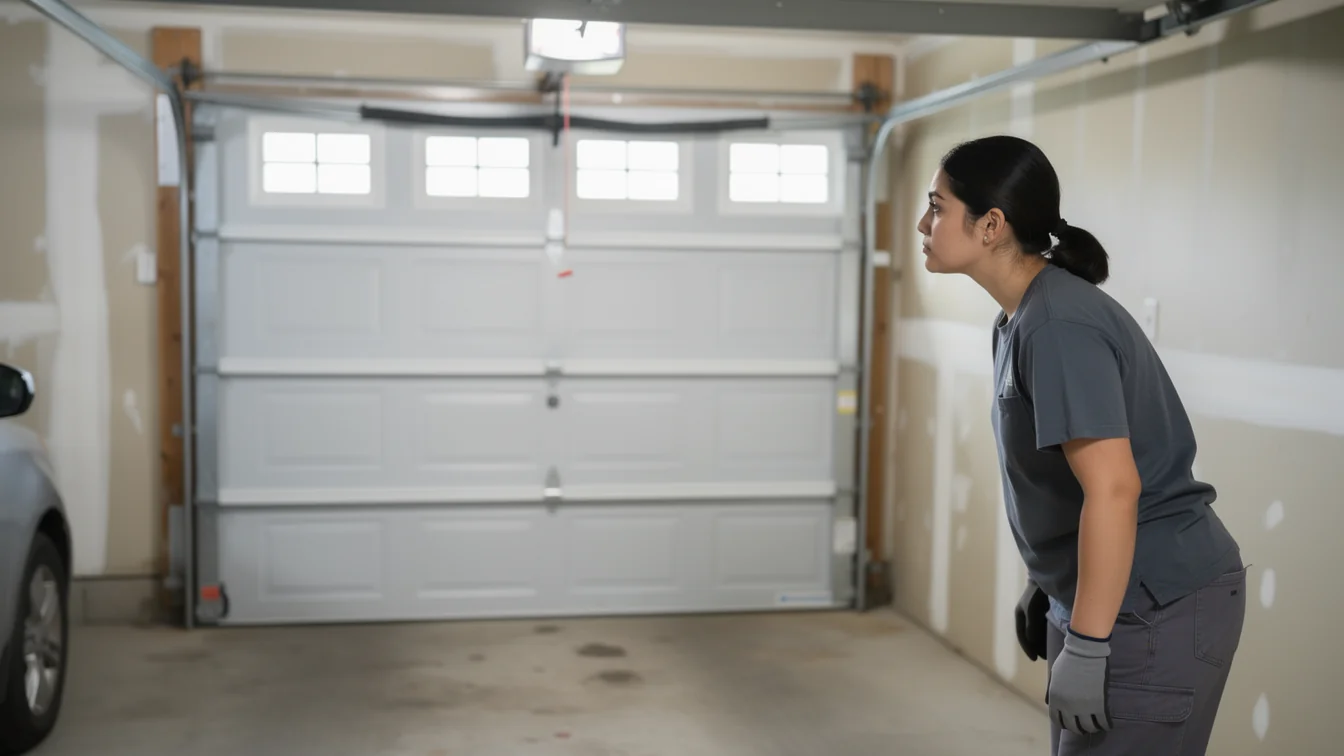
What Your Garage Door Is Trying to Tell You
Ogden homes built mostly in the 1980s and 90s, paired with severe cold winters, produce specific door noises.
Read moreIn Ogden, homes built 1971-2009 meet severe cold winters that strain original hardware. Here's what a service call actually covers, beginning to end, today.
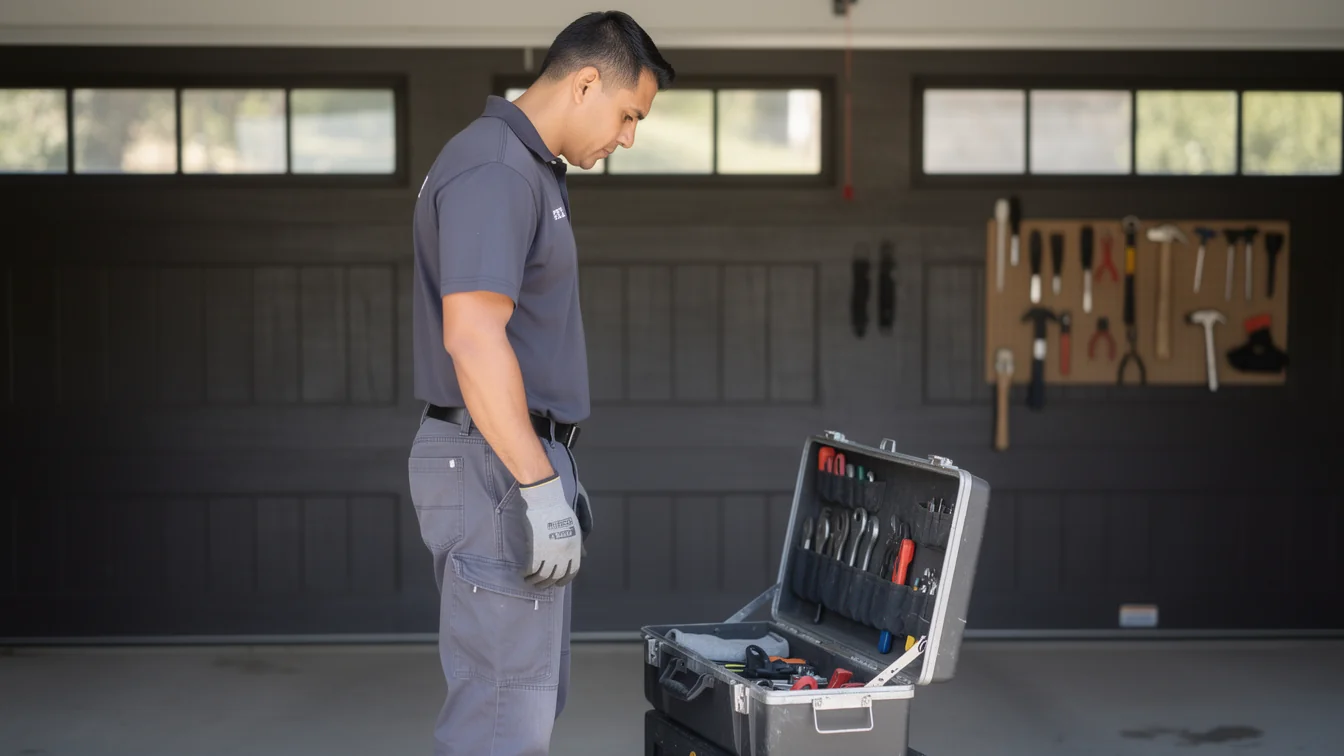
Local detail
Most of the housing stock in this service area went up between 1971 and 2009, with a lot of it clustered in the 1980s and 90s across the 29 named areas we work in - South Ogden, Harrisville, Riverdale, Washington Terrace, and the rest out to Brigham City and Morgan. That's a specific window. Springs, hinges, and track from that era were built to a cycle rating that assumed normal use, not decades of severe cold swings. This is a COLD-severe climate band, and that matters more than people think. Steel contracts in deep cold. Lubricant thickens or washes out. A torsion spring that's been fine for fifteen winters can lose just enough tension on a single hard freeze to snap, usually first thing in the morning when the door's been sitting closed all night. Nylon rollers from that same build era get brittle and start cracking at the edges, which you won't notice until one shatters mid-cycle. None of this is dramatic. It's slow wear that cold weather speeds up, and it hits doors of this age hardest because the hardware was never spec'd for the number of freeze-thaw cycles it's now seen. A service call in winter here is rarely about one broken part - it's about finding what else on a door this old is close behind it.
The area
Before you call anyone, there's a few things worth looking at yourself, especially if your house falls in that 1971-2009 build range. Pull the emergency release cord with the door closed and see if the door is heavy to lift by hand - if it feels like dead weight, the spring is losing tension and that's not a DIY fix. Look at the torsion spring itself, the coil above the door opening: a visible gap in one coil means it's broken, full stop. Check the rollers at the top corners of each panel; if they're plastic and this house is original-era, cracked or chipped rollers are common and worth noting even if the door still runs. Listen for grinding or a hard metallic snap on cold mornings - that's often the first sign of a stressed spring, not the opener. What you shouldn't do is touch the spring itself, loosen the set screws, or try to re-tension anything under load. That's the one place a service call earns its keep instead of a trip to the hardware store. If the door runs quiet, closes flush, and the cable wraps evenly on the drum, you're probably fine for now - but write down the make and age if you can, because original-era hardware on doors this old is often a non-standard size the big box stores don't stock.
What we find
The pattern we see most in this housing stock is a torsion spring rated for a certain number of cycles finally giving out right as winter cold adds extra load, and the homeowner assumes it's the opener because that's the part that makes noise. It isn't, usually. The opener is doing exactly what it's told - pull the door up - and a weak or broken spring just means the motor is straining against full door weight with no counterbalance. Run it that way for even a few cycles and you can burn out the opener's drive gear chasing a spring problem, turning one repair into two. On a lot of the 1980s and 90s builds in this area, the spring is also an older gauge that doesn't match what's commonly stocked now, so a same-day fix sometimes means we're sourcing a size instead of grabbing it off the truck. That's the honest limitation here: if your door uses an odd or discontinued torsion spring size from that build era, parts lead time can push a repair out a day or two rather than same-visit, and there's no way around that without a spring that doesn't actually fit your hardware.
How we work
Not every noise or stiff spot needs an immediate call. If the door still opens and closes evenly, the cables look tight on the drum, and you're just hearing a little more creak on cold mornings, that can wait for a scheduled visit rather than an emergency one. What shouldn't wait is a door that's visibly sagging on one side, a cable that's frayed or off the drum, or a spring with a clear gap in the coil - those get worse fast, and in this climate, worse usually means a cold-morning failure with the car trapped inside. Across the service area median household income runs around $111,875, and with roughly 92,254 owner-occupied houses in the broader area, a lot of households are weighing a full opener or door replacement against a repair on original 1980s-90s hardware. That's a real call to make, and it depends on the door's age and condition more than on the calendar. We won't tell you to replace a door that's fine just to run up a bigger job, but we also won't keep patching hardware that's past its rated cycle count if it means you're back to square one by spring.
Questions
Steel loses a bit of flexibility in deep cold, and a spring that's already near the end of its rated cycle count often gives out on the first hard freeze of the season rather than during milder weather. If your house falls in the common 1971-2009 build range here, that's the most likely explanation.
Common sizes, yes. Some 1980s and 90s builds in this area used gauges that aren't standard stock anymore, so occasionally sourcing the right spring takes an extra day rather than a same-visit swap. We'll tell you up front if that's the case before we start.
Pull the release cord and lift the door by hand with power off. If it's heavy or won't stay up on its own, the spring is doing less work than it should, and the opener has been compensating. A quiet, light lift usually means the spring is fine and the issue is with the motor or track.
Depends on the door's age and what's failing. If it's original hardware from the 1971-2009 build era and more than the spring is going - rollers, track, panel rust from freeze-thaw - repair costs can stack up fast enough that replacement makes more sense. We'll walk through the actual condition with you rather than default to either answer.
Recommendation
More garage door guides for Ogden homeowners.
Ogden homes built mostly in the 1980s and 90s, paired with severe cold winters, produce specific door noises.
Read more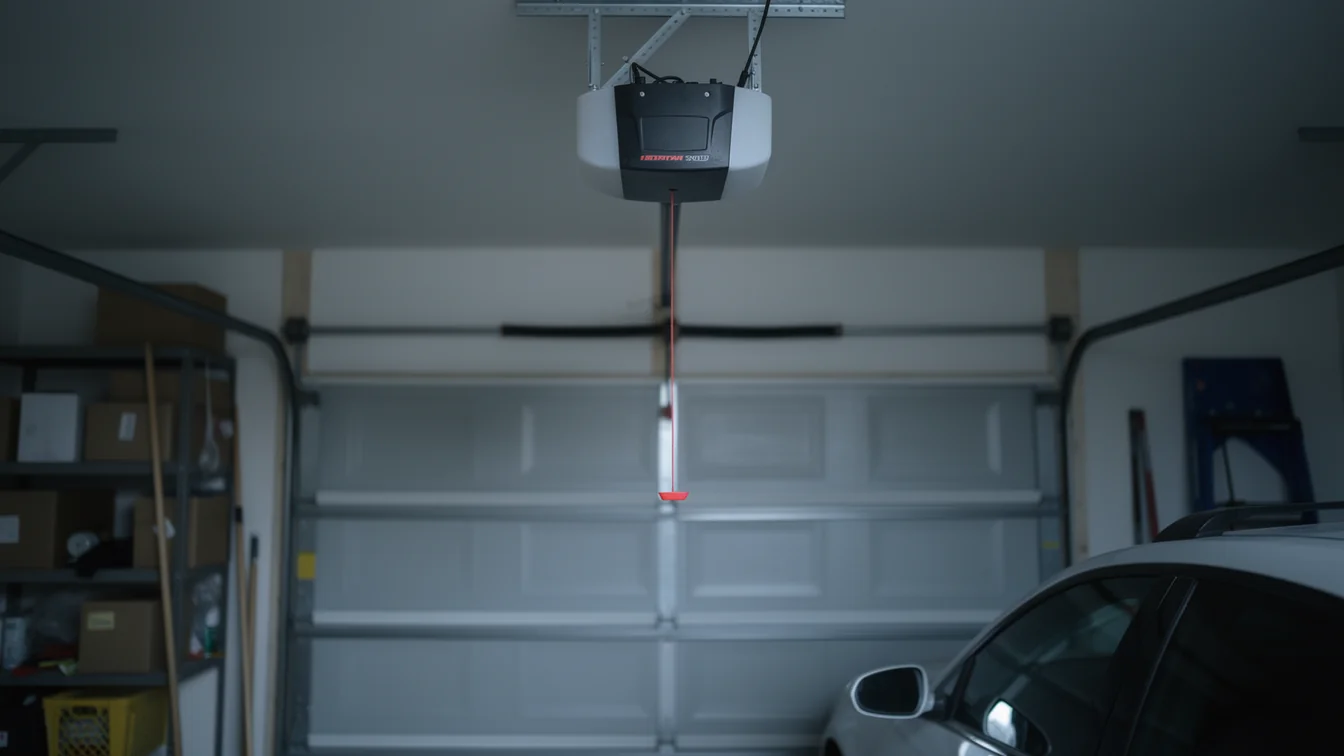
Ogden's cold winters and older opener hardware don't mix well.
Read more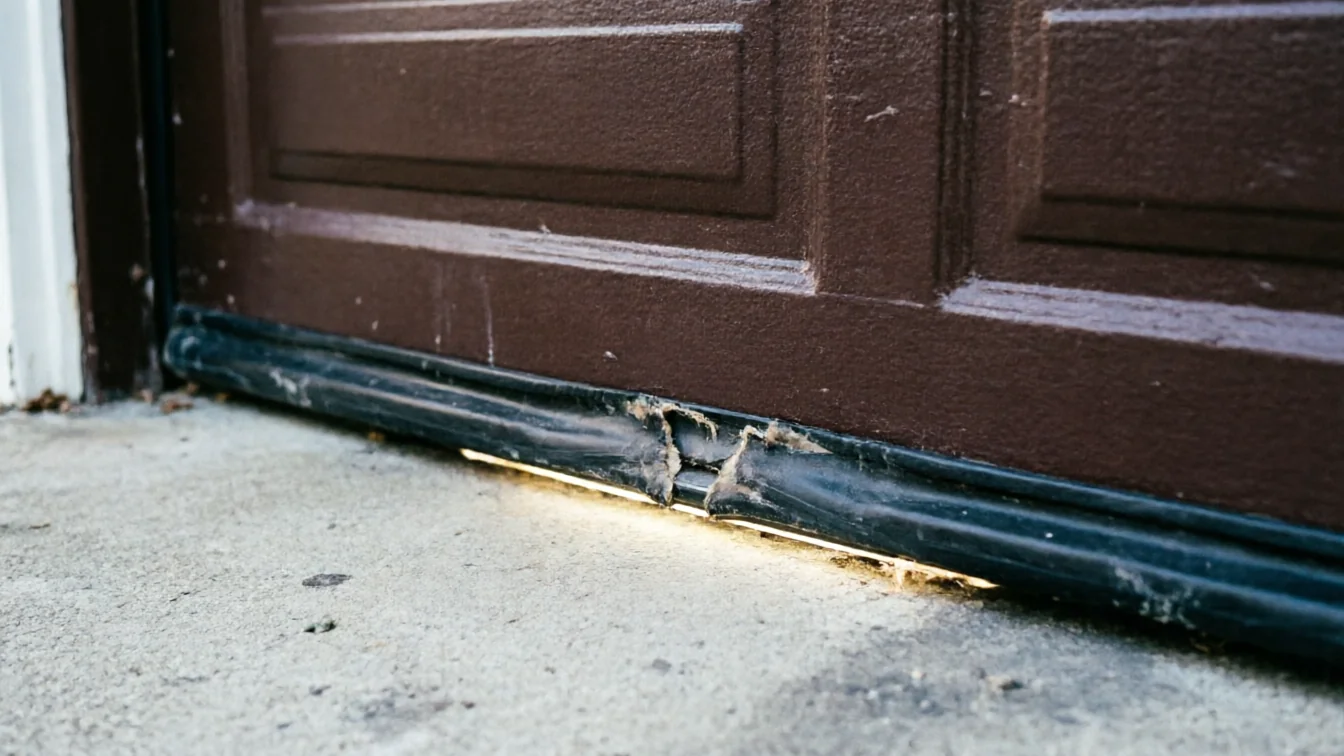
Ogden homes built 1971-2009 face a COLD severe climate that wears out garage door weather seals and draughts fast - what to check before calling for repair.
Read moreReady when you are
Ogden Garage Door Pros repairs and installs garage doors, springs and openers in Ogden, UT and the surrounding area.