
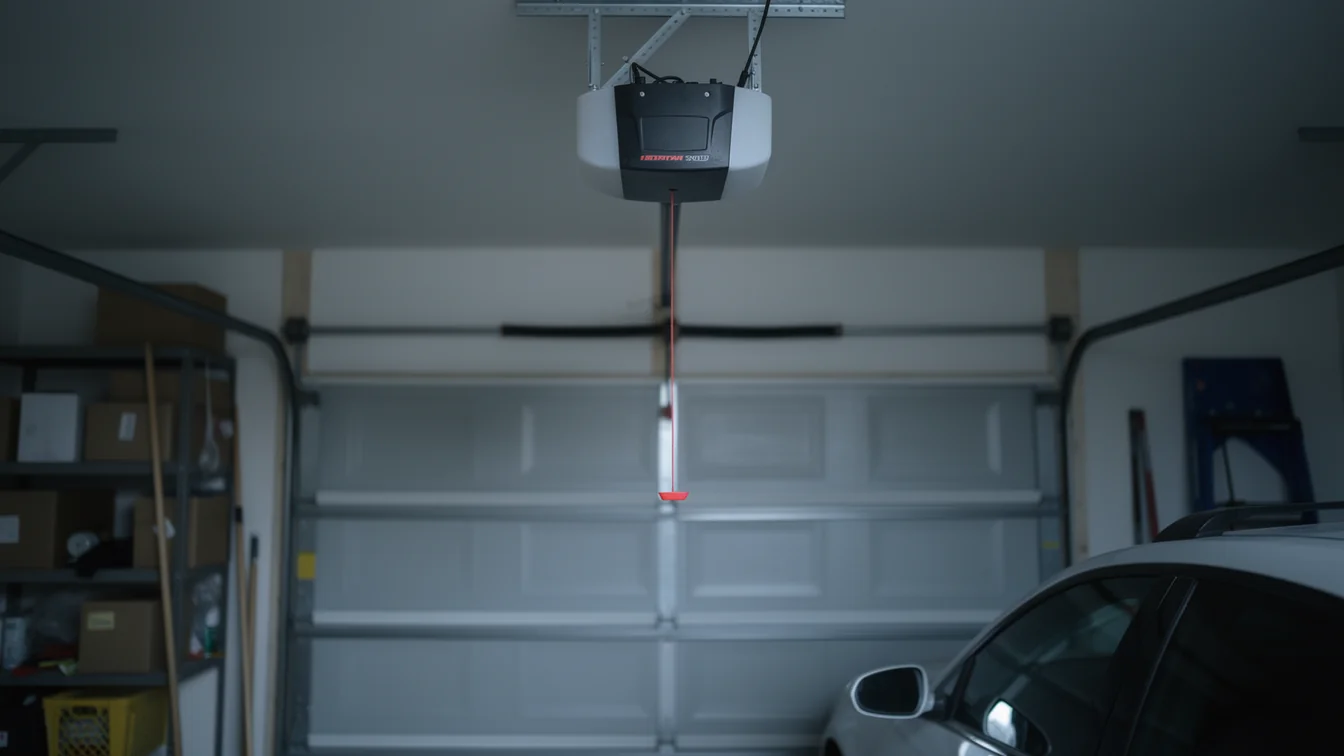
What Cold and Power Cuts Do to Garage Door Openers Around Ogden
Ogden's cold winters and older opener hardware don't mix well.
Read moreMost Ogden-area garage doors date to the 1980s and 90s. Here's what Ogden's cold winters do to that hardware, and when repair still makes sense.
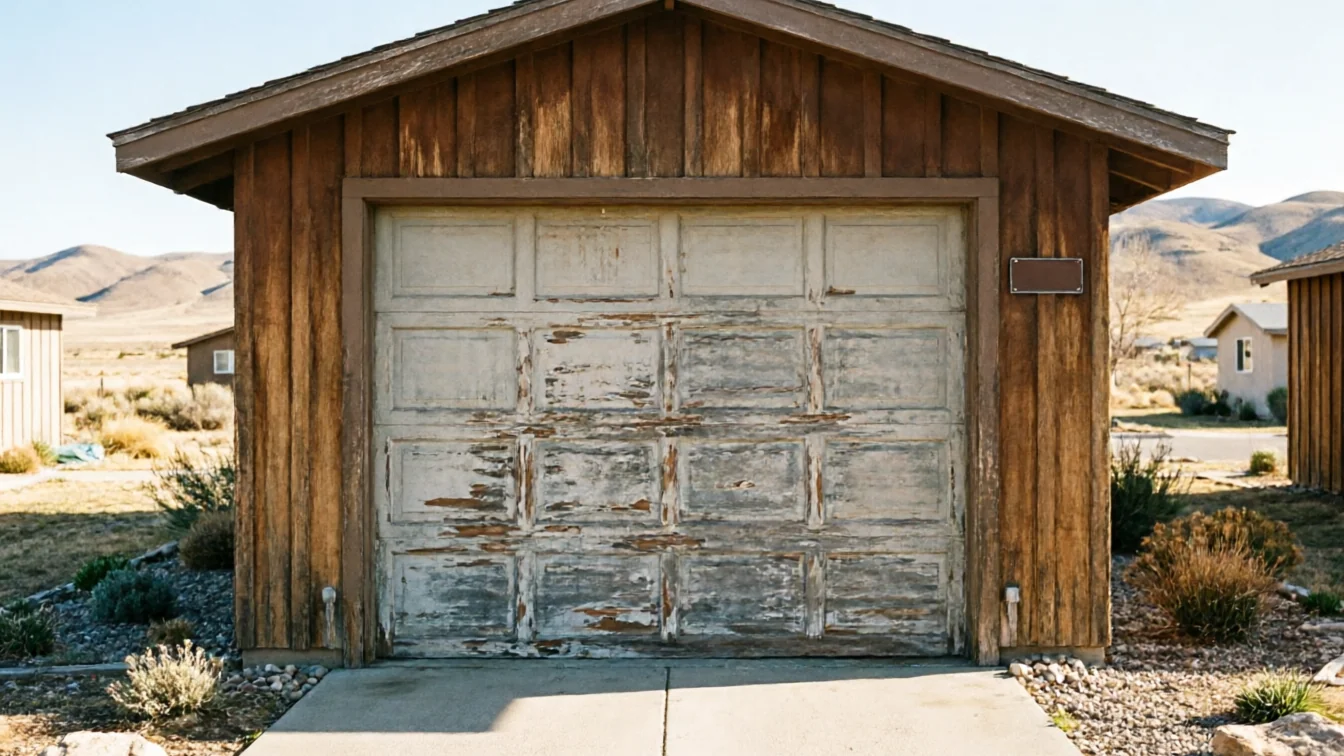
Local detail
Ogden sits in a severe-cold climate band, and that matters more to a garage door than almost anything else we see on a job. Steel contracts hard in a deep freeze, and the grease in an original torsion spring or a stock roller bearing thickens up and stops doing its job right when the temperature drops and stays down for days at a stretch. On a door installed anywhere from 1971 through the late 1990s, which covers most of the housing stock across this service area, that cold-cycling has been happening every winter since the house was built. Panels that were fine in August start to bind or drag in January because the track has shifted a hair and the cold makes the clearance worse, not better. We also see cable fraying accelerate where moisture gets into the drum area and then freezes - a slow problem that becomes a sudden one. None of this is dramatic on its own. It adds up. A door built to a 1990s spec, running on original hardware, in a climate that puts it through that freeze-thaw cycle every year for two or three decades, is carrying a lot more wear than the same door would in a mild climate. That's the baseline you're working from before you ever look at the door itself.
The area
Pull the release handle, lift the door by hand to waist height, and let go. If it holds there, the spring tension is still roughly balanced. If it drops or shoots up, the spring has lost tension or already failed, and that's not a DIY fix. Next, look at the track where it bolts to the wall - on houses from the 1980s and 90s the brackets are original more often than not, and a severe-cold climate works those lag bolts loose over the years as the framing moves slightly with the seasons. Wiggle the bracket by hand. Any play at all means it's due. Look at the bottom panel for daylight gaps once the door is closed; with houses this age, the weatherstrip has usually hardened and cracked at least once already. Last, listen to the opener. A grinding or straining sound on a unit that's been running since the house's original build era usually means the gears are worn, not just the chain needing oil. None of this takes more than ten minutes, and it tells you whether you're looking at an adjustment or a part that's actually failed.
What we find
The real issue with a lot of these doors isn't the door - it's that the hardware underneath is original to a build date that, across this area, mostly lands in the 1980s and 90s. That's 30 to 40 years of cold-climate cycling on one set of springs, one set of rollers, one opener. Parts from that era aren't always a straight swap for what's sold today; bracket spacing and spring wind can differ enough that a universal replacement spring doesn't sit right without some adjustment. We've opened up plenty of these and found a torsion spring that was never matched to the door's actual weight in the first place, just close enough that it worked for a few decades until the cold finally found the weak point. So the honest version of 'the problem' is usually layered: one worn part exposes a second one that was marginal already, and a severe winter is what makes both fail in the same week.
How we work
Not every noise is worth a call. If the door operates smoothly, holds its balance when you lift it by hand, and the opener runs without straining, you can leave it alone through another winter - just don't ignore a bracket with play in it, since that's the one that gets worse with every freeze, not better. Where we draw the line on repair versus replacement: if the spring, rollers, and opener are all original to a 1980s or 90s build and one major part has already failed, you're often better off replacing the whole system rather than patching one piece and waiting for the next. We won't talk you into a full replacement if a single spring swap solves it. But we also won't tell you a thirty-year-old opener is fine just because it still runs today - in this climate, 'still runs' and 'reliable through February' aren't the same thing.
Questions
There's no fixed age, but once a door built in the 1980s or 90s needs a second major repair - spring and rollers, or opener and track - in the same year, replacement usually costs less over time than chasing each part individually, especially given how hard this climate is on original hardware.
Cold thickens the lubricant in older bearings and springs, and steel track contracts slightly, tightening clearances that were fine in summer. On original hardware from the 1980s-90s building era common across this area, that seasonal tightening is cumulative and gets more noticeable each year.
Yes, more than people expect. A bracket with play lets the track flex slightly every time the door cycles, and freeze-thaw movement in a severe-cold climate makes that worse each winter, not better. It's a quick fix now and a bent track or dropped door later if it's left alone.
Recommendation
More garage door guides for Ogden homeowners.
Ogden's cold winters and older opener hardware don't mix well.
Read more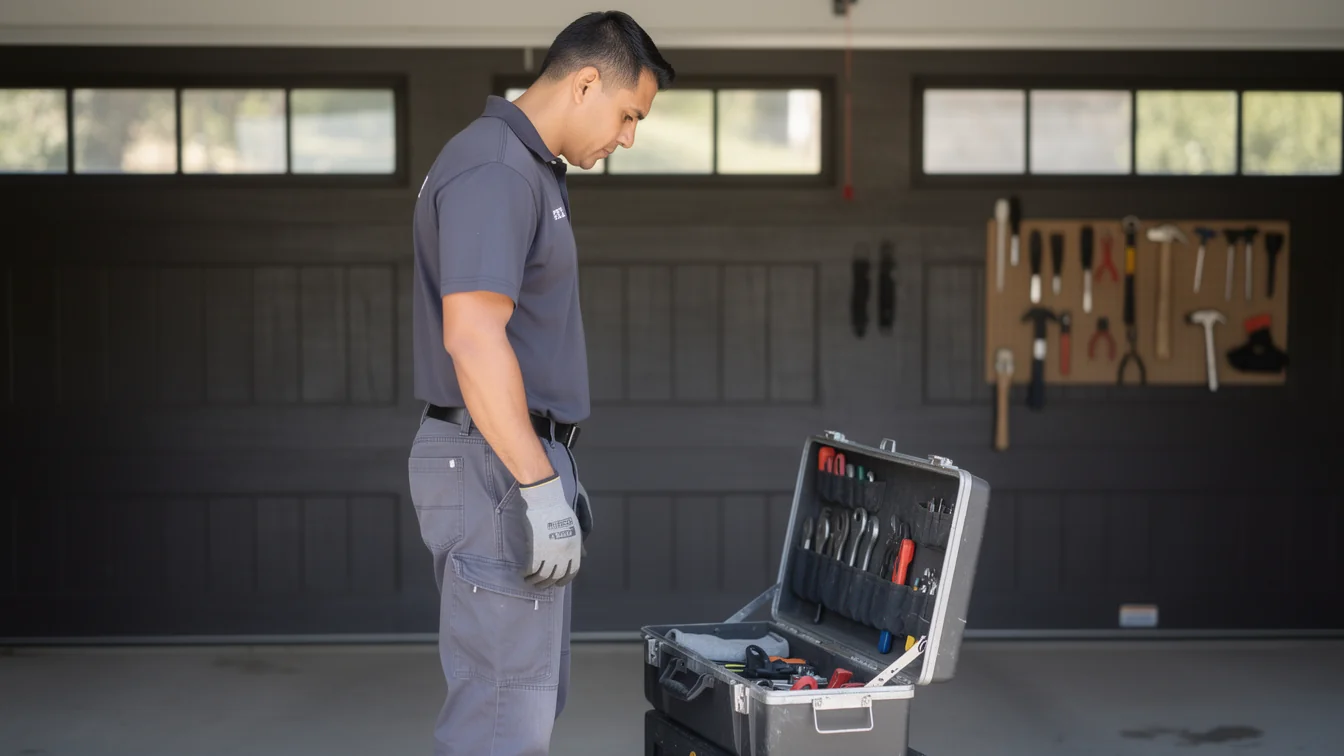
In Ogden, homes built 1971-2009 meet severe cold winters that strain original hardware.
Read more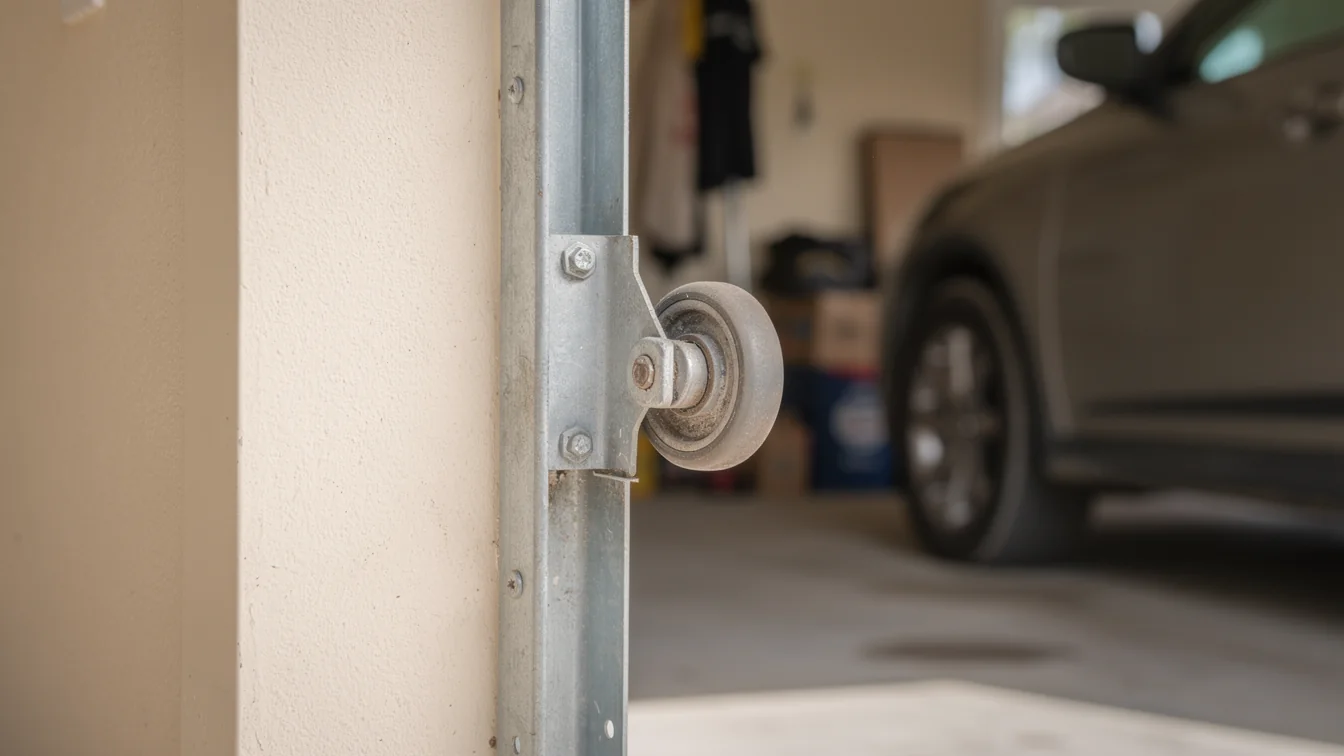
Ogden's cold winters and 1980s-90s track hardware are a bad mix.
Read moreReady when you are
Ogden Garage Door Pros repairs and installs garage doors, springs and openers in Ogden, UT and the surrounding area.