
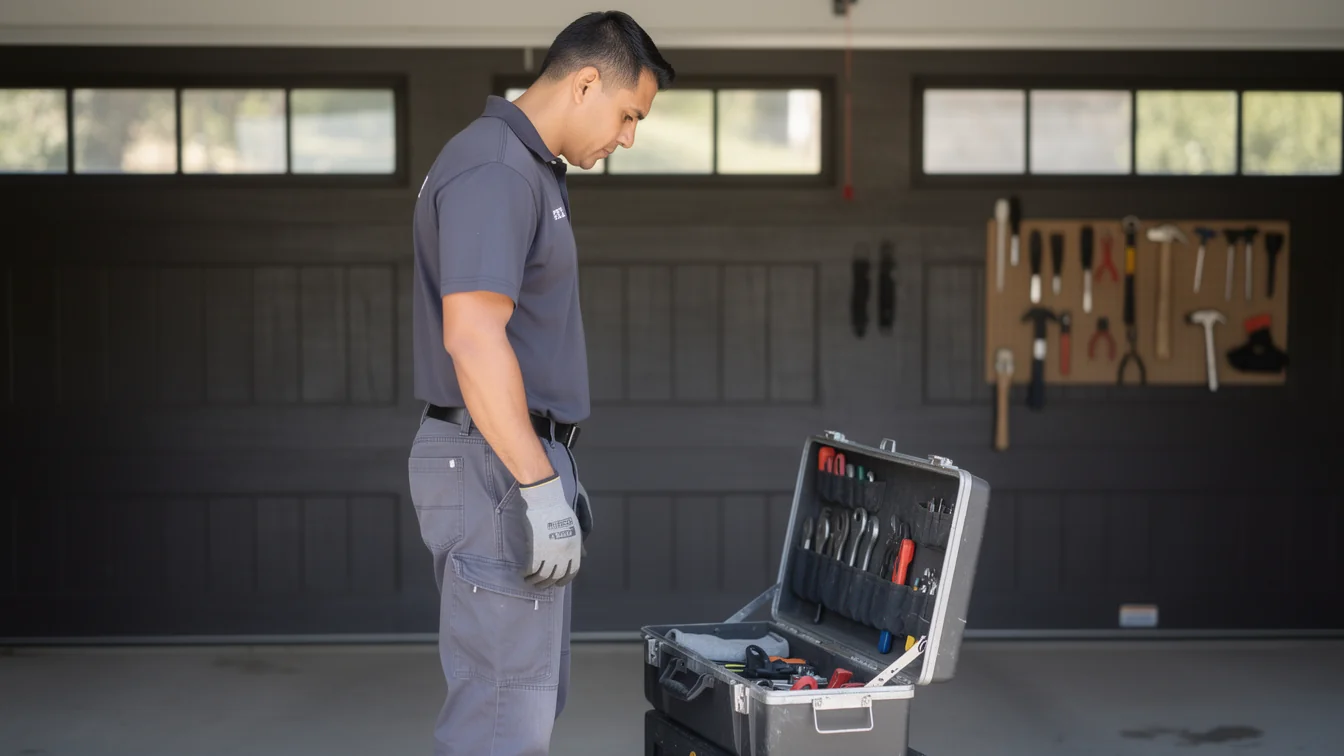
What Happens When You Call Us Out in Ogden
In Ogden, homes built 1971-2009 meet severe cold winters that strain original hardware.
Read moreOgden's cold winters and older opener hardware don't mix well. Here's what happens to garage door openers during power cuts and cold snaps in this area.
Local detail
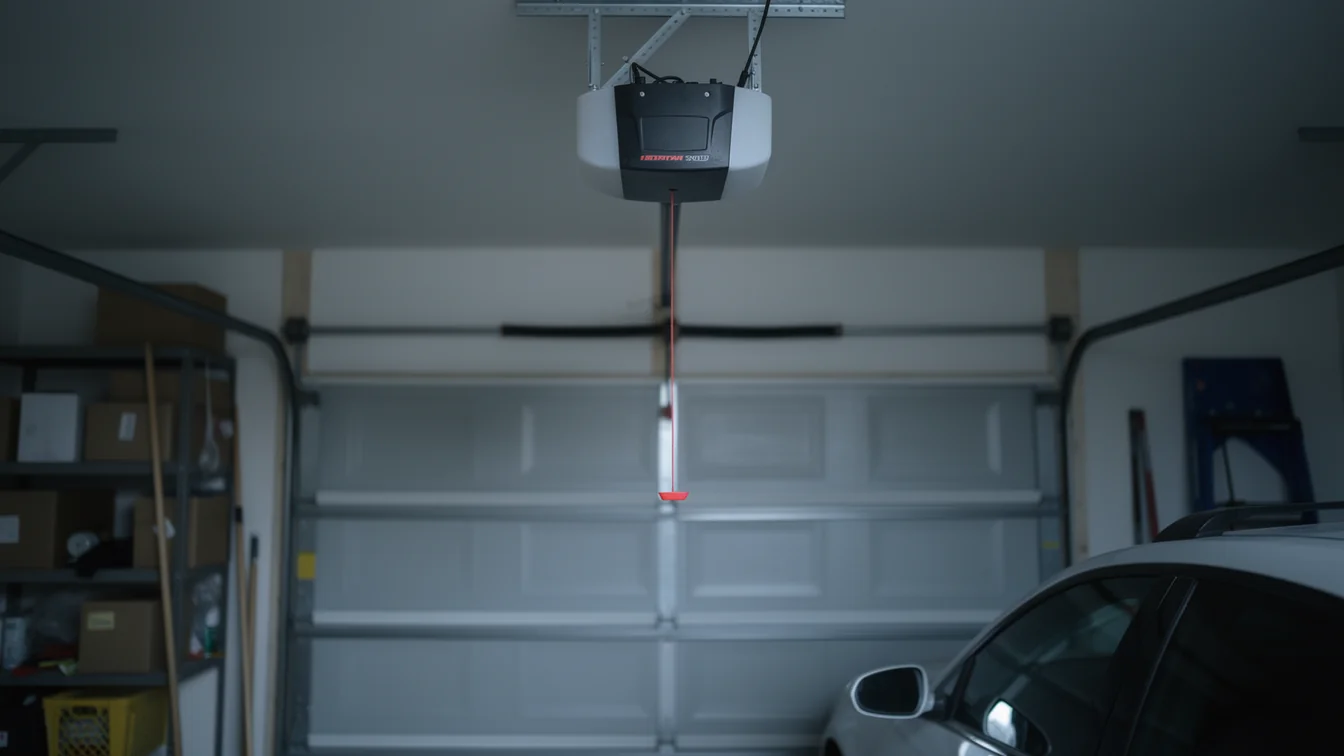
Ogden sits in a cold-severe climate band, and that matters more for your opener than for almost any other part of the door. Chain-drive and belt-drive units both rely on lubricant inside the rail and a logic board that doesn't love swinging temperatures. When a cold front drops through and the power blinks even for a few seconds, a lot of openers built in the 1980s and 90s - which is most of what's installed across this area - lose their memory of the door's travel limits. You come home, hit the button, and the door either stops short of the floor or reverses before it closes. That's not a dead opener. It's a board that needs to relearn its limits, and in homes built between 1971 and 2009, which covers most of the 29 communities out this way, that's the single most common cold-weather call we get. Grease inside the rail also thickens in hard cold, which is why a chain drive can sound like it's working twice as hard on a 10-degree morning. None of this is unique to one brand. It's the combination of older circuit boards and a climate that regularly swings hard enough to trip a breaker or dim a transformer.
The area
Before you call anyone, unplug the opener for thirty seconds and plug it back in. If the door closes all the way on the next try, the power blip reset something and you're fine for now. Next, pull the manual release cord and lift the door by hand. If it's heavy or uneven, that's a spring problem, not an opener problem, and resetting the unit won't fix it. Check the wall outlet the opener plugs into - a lot of garages built in this housing era run the opener off the same circuit as a freezer or a shop light, and a tripped GFCI after a cold-morning power dip is an easy thing to miss. Look at the safety sensors near the floor on each side of the track. Cold air can shift a bracket enough that the eyes no longer line up, and the opener will refuse to close the door at all rather than risk it. A blinking light on the motor head usually corresponds to an error code printed somewhere on the unit or in the manual - worth five minutes before you assume the worst.
What we find
The real issue isn't the cold snap itself, it's what thirty-plus years of them does to a board and a battery backup that was never rated for this. Houses in this area built in the 1980s and 90s often still have their original opener, and those units weren't designed to cycle through repeated power interruptions without eventually losing a relay or a capacitor. Each outage is a small stress test. Most boards survive dozens of them. Some don't survive the next one. The honest limitation here: once a logic board starts failing intermittently, there's no clean way to diagnose it over the phone or guarantee a fix without replacing the board or the unit outright, and on units built before battery backups were standard, a parts match for the original motor sometimes just isn't available anymore.
How we work
If your opener reset itself after the last outage and has run fine for a few weeks, you don't need to do anything. It's a reasonable bet that it'll keep working the same way through the next cold front. Where it stops being a reasonable bet is if the door is starting to hesitate, reverse without a reason, or make a grinding noise that wasn't there last winter - those are signs the motor or board is already wearing down, and a power cut will just be the thing that finishes it off at the worst possible moment. Waiting costs nothing until it costs you a door stuck halfway open on a sub-zero morning.
Questions
Many openers in homes built in this area's 1980s-90s housing stock lose their programmed travel limits when power cuts out, even briefly. The board forgets where the floor and ceiling stops are, so the door either won't close fully or reverses unexpectedly. Unplugging and replugging the unit often lets it relearn those limits.
Yes. Ogden's cold-severe climate band means grease inside chain and belt rails thickens in hard cold, motors draw more current to compensate, and older circuit boards handle repeated cold-weather power dips worse over time than newer ones with surge protection built in.
For a while, yes - a reset after an outage is a normal fix and doesn't mean anything is wrong. But if it's happening more often than it used to, that's usually a sign the board is wearing out, and resetting it is a temporary patch, not a repair.
Recommendation
More garage door guides for Ogden homeowners.
In Ogden, homes built 1971-2009 meet severe cold winters that strain original hardware.
Read more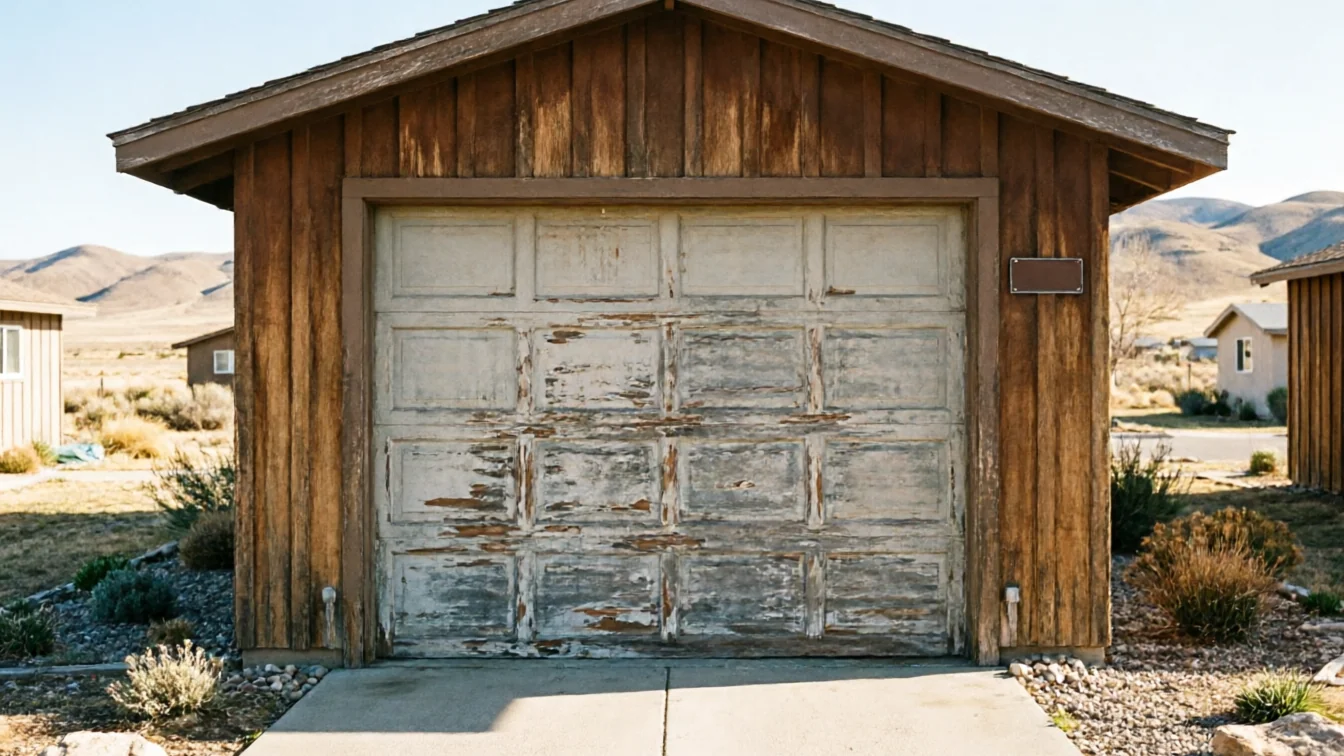
Most Ogden-area garage doors date to the 1980s and 90s.
Read more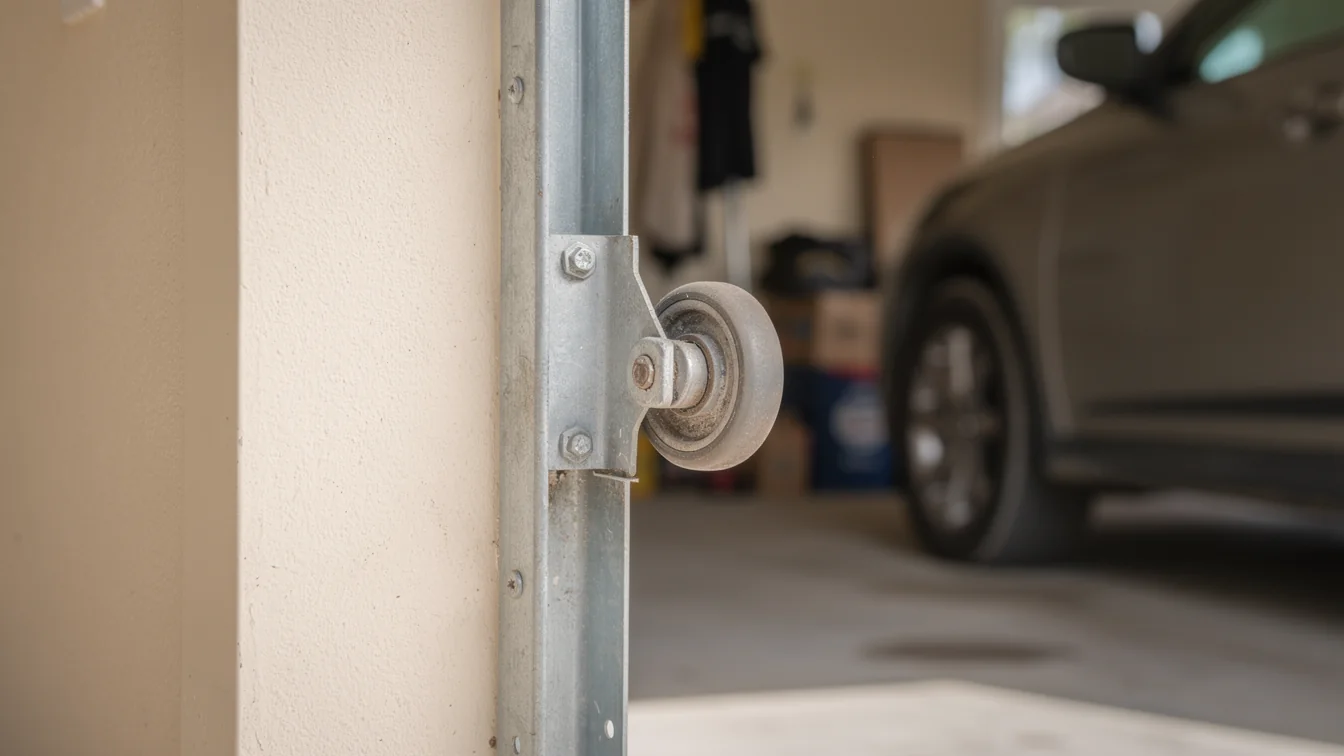
Ogden's cold winters and 1980s-90s track hardware are a bad mix.
Read moreReady when you are
Ogden Garage Door Pros repairs and installs garage doors, springs and openers in Ogden, UT and the surrounding area.