
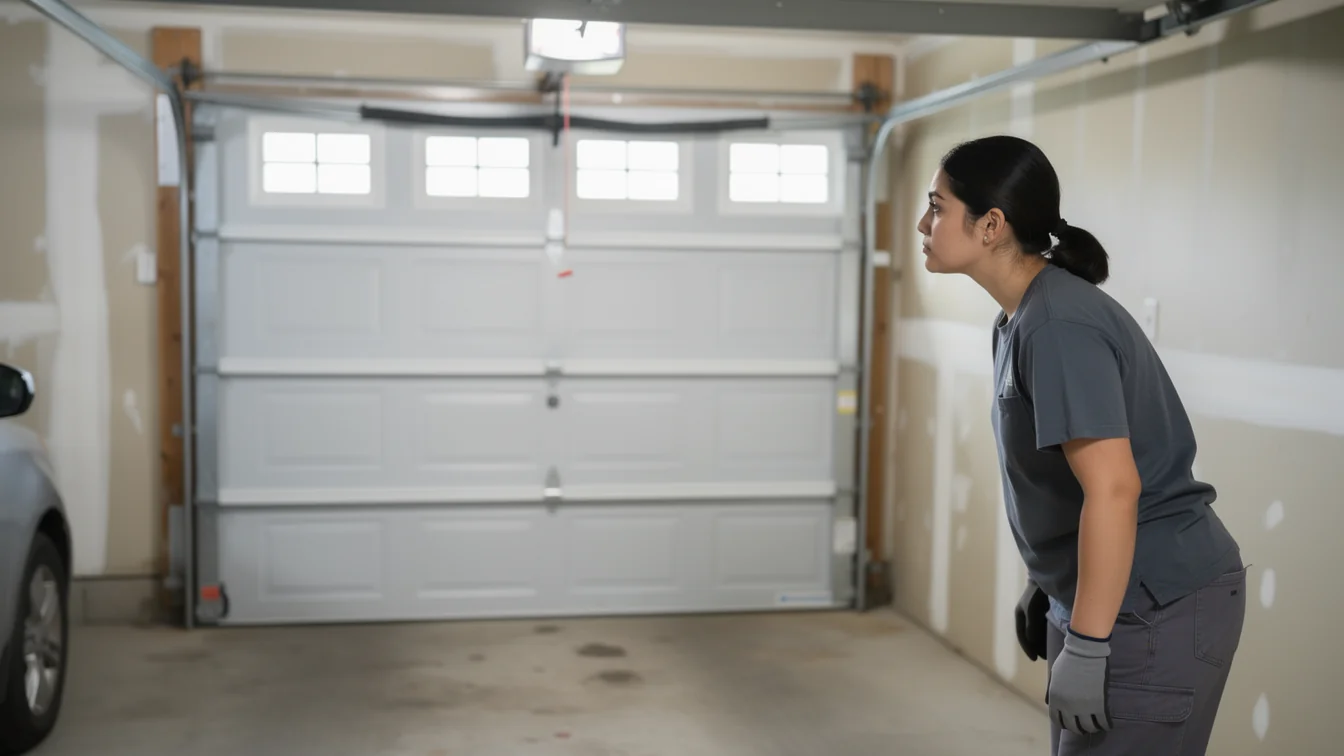
What Your Garage Door Is Trying to Tell You
Ogden homes built mostly in the 1980s and 90s, paired with severe cold winters, produce specific door noises.
Read moreOgden sits in a severe-cold climate band with housing built mostly 1971-2009. Here's how that combination wears on doors, springs, and openers over time.
Local detail
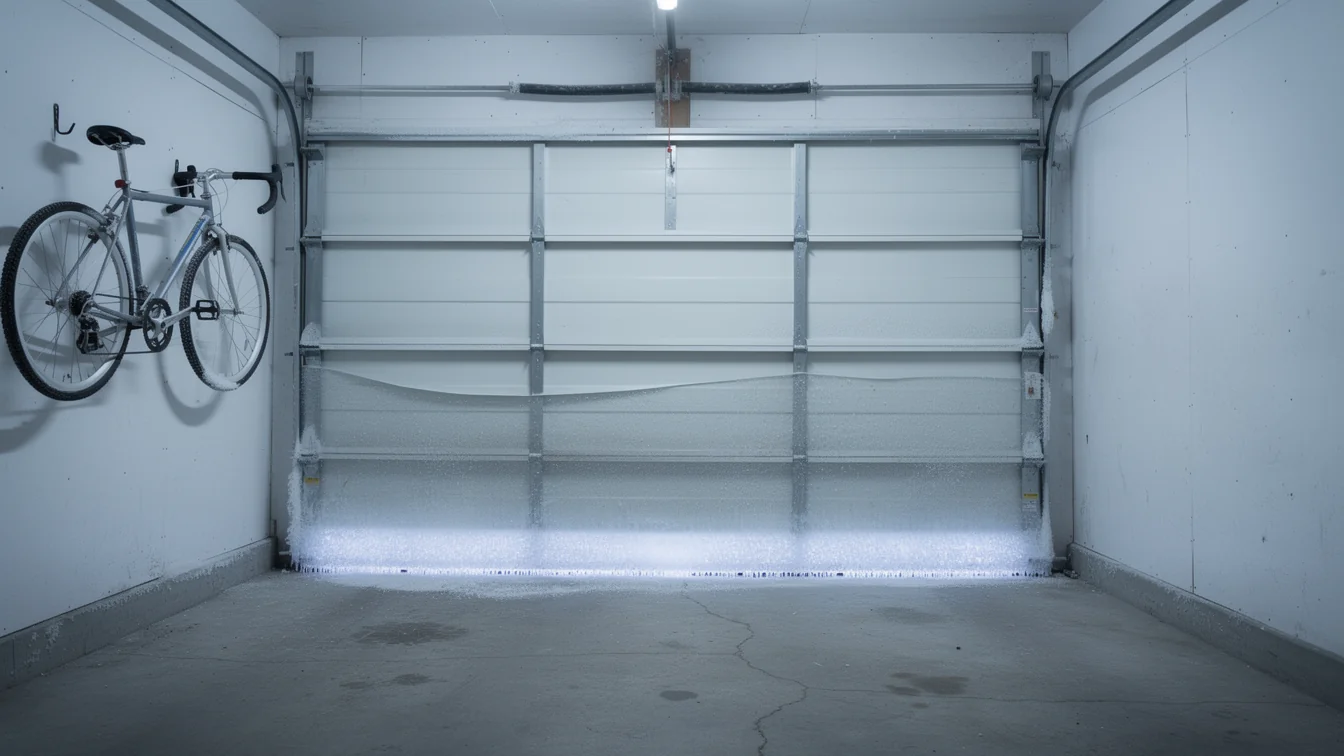
Ogden falls in a severe-cold climate band, and that matters more to a garage door than most people think. Steel panels and torsion springs don't behave the same at 15 degrees as they do at 70. Cold steel loses flexibility, so a spring that's been winding and unwinding for twenty years gets more brittle right when the temperature drops and the door gets used the most - heavy traffic in and out while people scrape windshields and load up for work.
Rubber bottom seals shrink in the cold too. A seal that looked fine in August can pull away from the slab in January, letting in a draft along the whole width of the door. Nylon rollers get stiff and start thumping in their tracks instead of rolling smooth. None of this is damage exactly - it's just what happens to moving parts and rubber compounds when they spend four or five months a year below freezing.
The practical effect: openers work harder to lift a door that's stiffer than it was in summer, chains and belts need more slack adjustment, and anything already marginal - a weak spring, a worn roller - tends to fail in the cold snap, not the mild stretch. That's not bad luck. That's the climate doing what it does here every winter.
The area
Most houses across this area were built between 1971 and 2009, with the heaviest concentration in the 1980s and 90s. That matters because it tells you roughly what hardware is behind your door without needing to call anyone. A door from that stretch is likely on its second or third spring by now, possibly still running the original opener if nobody's touched it.
Start with the weatherstrip along the bottom edge. Push on it - if it's hard and cracked instead of pliable, it's past its working life and letting cold air straight into the garage. Next, look at the springs above the door (torsion, mounted horizontally over the opening). Rust, gaps where coils have separated, or a visibly sagging door when the opener's disconnected are all signs the spring is near the end.
Check the rollers at the edge of each panel - metal rollers were common in 1980s and 90s builds, and they're noisier and wear faster than the sealed nylon rollers used today. If yours grind or you see metal shavings on the track, that's wear, not a mystery.
One thing you can't check yourself safely: spring tension itself. Torsion springs are under real load, and testing that load without the right bars is how people get hurt. Leave that one alone.
What we find
A lot of what we see on service calls comes down to one thing: doors on houses built before insulation rules caught up to how people actually use a garage. Homes from the 1971-2009 window often have a single-layer steel door with no foam core, installed back when a garage was just a place to park, not a conditioned space next to a bedroom or laundry room.
That uninsulated door, combined with a severe-cold winter, means the garage itself runs colder than the rest of the house, which stresses the opener's gears trying to lift a door that's stiffer than spec, and stresses the spring cycling through a wider range of steel contraction than a door would see in a milder climate.
The second piece of the problem is simpler: age catches up with everything at once. A house built in, say, 1988 is now old enough that the opener, the springs, and the seals are all approaching end-of-life in the same few years. When one goes, the others usually aren't far behind, because they've all been doing the same work in the same cold for the same three or four decades.
This isn't a defect. It's just math - steel and rubber have a service life, and a severe-cold climate shortens it.
How we work
Not every noise or draft needs a same-week fix. If your door still opens and closes smoothly and the only issue is a little cold air around the bottom seal, replacing that seal is a cheap, low-urgency job you can schedule whenever it's convenient - it doesn't get worse overnight.
Where waiting gets expensive is the spring. A torsion spring with visible rust or a separated coil can hold until it doesn't, and when it lets go, it can take a cable or drum with it, sometimes damage the door itself. That's the one item on this list where "it's been fine for years" isn't much of a guarantee once you've seen the warning signs.
We'll say plainly: we don't recommend DIY spring replacement, and we won't talk anyone through it over the phone. It's not a parts problem, it's a stored-energy problem, and that's the honest limitation here - some jobs on an older door just need a second set of hands and the right bars, not a tutorial.
Across the Ogden area and nearby towns like South Ogden, Harrisville, Riverdale, and Washington Terrace, the housing stock and winter conditions are similar enough that the same wait-or-call logic applies block to block, not just house to house.
Questions
Not necessarily. If it opens smoothly, the spring shows no rust or gaps, and the seal still seals, there's no reason to touch it. Age alone isn't a failure. Watch for stiffness in cold weather, grinding rollers, or a seal that's gone hard - those are the signs worth acting on, not the house's build year by itself.
Cold steel is stiffer, and torsion springs lose some flexibility as the temperature drops, which is normal in a severe-cold climate like Ogden's. If the difference is mild, that's expected. If the opener strains, reverses, or won't lift the door at all in cold weather, the spring is likely near the end of its life, not just cold.
Depends on the door's age and condition. A single seal replacement is cheap and reasonable if the panels and hardware are otherwise sound. If the door is original to a 1970s-90s build and showing wear in multiple places - seal, rollers, spring - repairing each piece separately often costs more over time than one replacement.
Recommendation
More garage door guides for Ogden homeowners.
Ogden homes built mostly in the 1980s and 90s, paired with severe cold winters, produce specific door noises.
Read more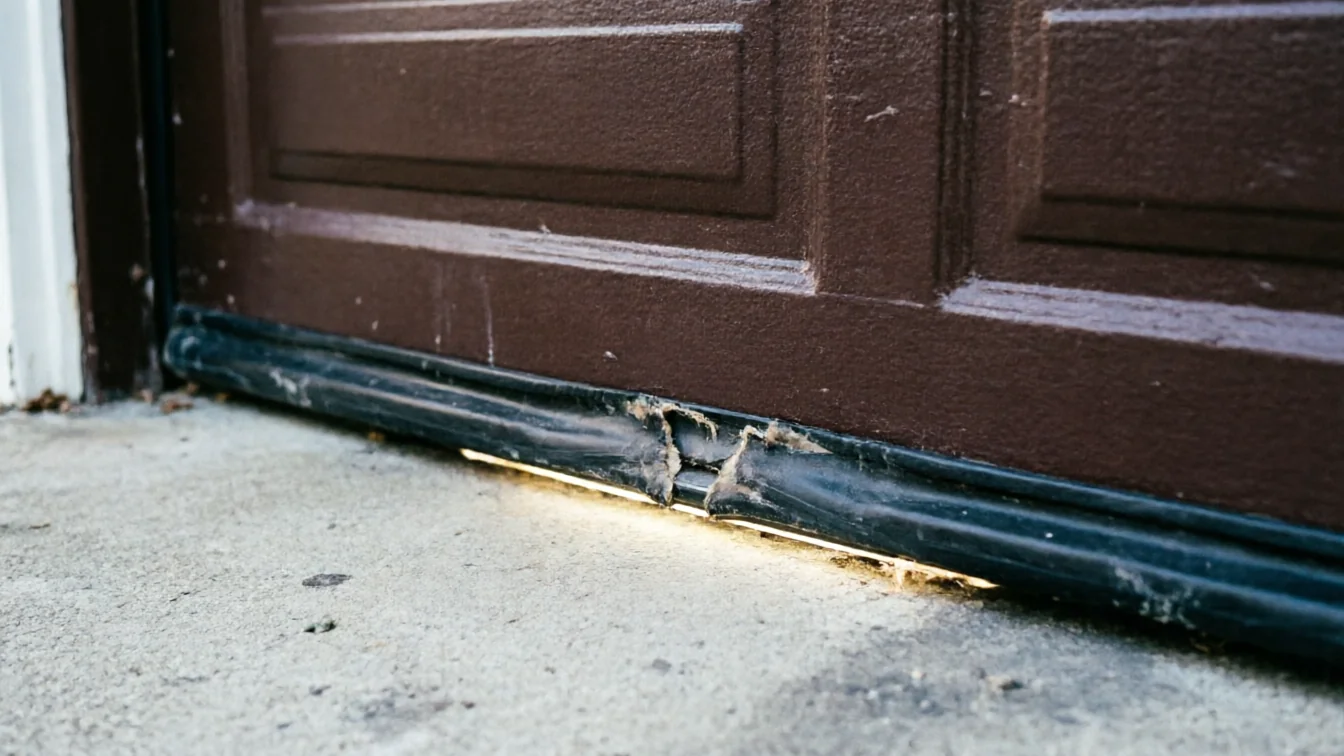
Ogden homes built 1971-2009 face a COLD severe climate that wears out garage door weather seals and draughts fast - what to check before calling for repair.
Read more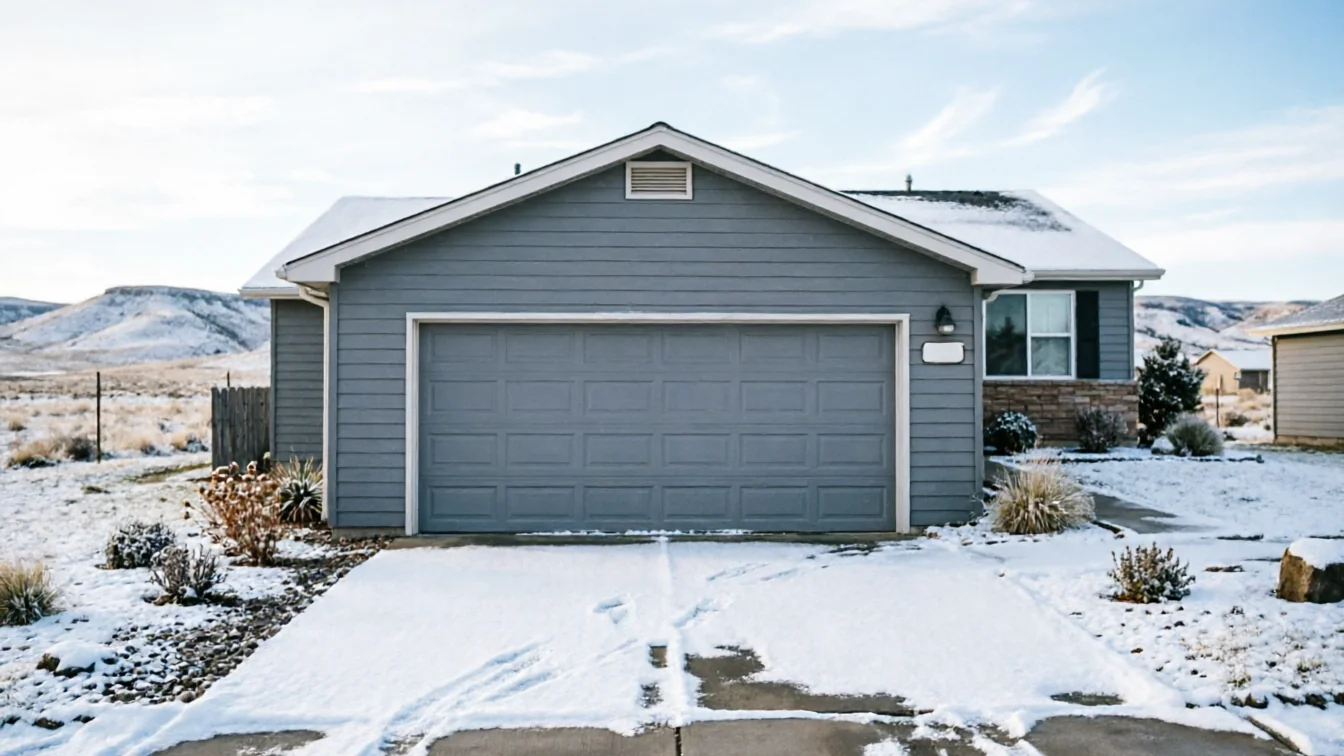
Ogden's severe cold hits torsion springs on 1971-2009 housing stock hard.
Read moreReady when you are
Ogden Garage Door Pros repairs and installs garage doors, springs and openers in Ogden, UT and the surrounding area.